
What these photographs show. Every frame below is MOSFLEX™ at one of the three points in its working life — going on, sitting on the surface while other trades work around it, and coming off. They are grouped that way because those are the three moments a specifier actually needs to see before committing a coating to a facade.
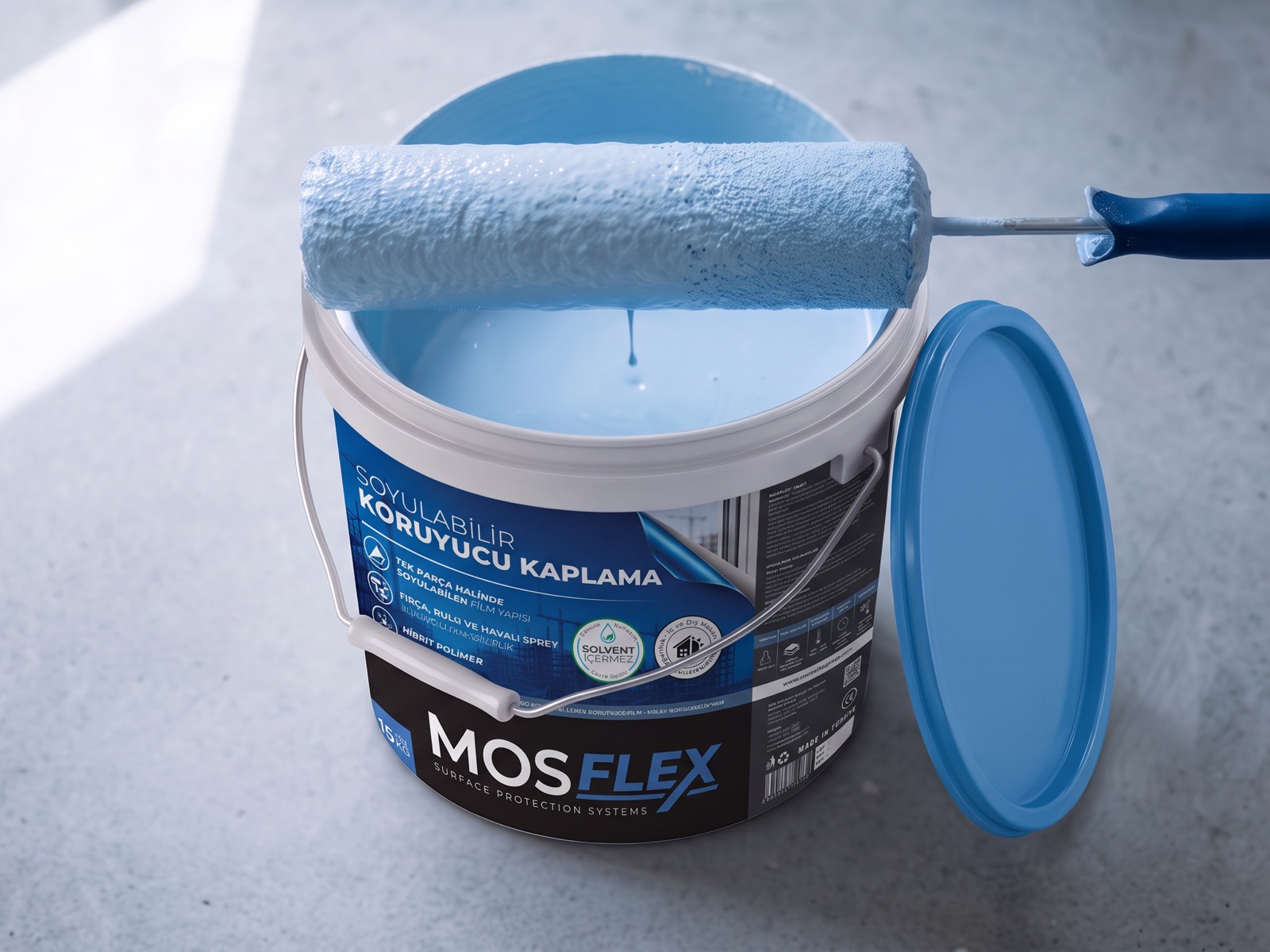
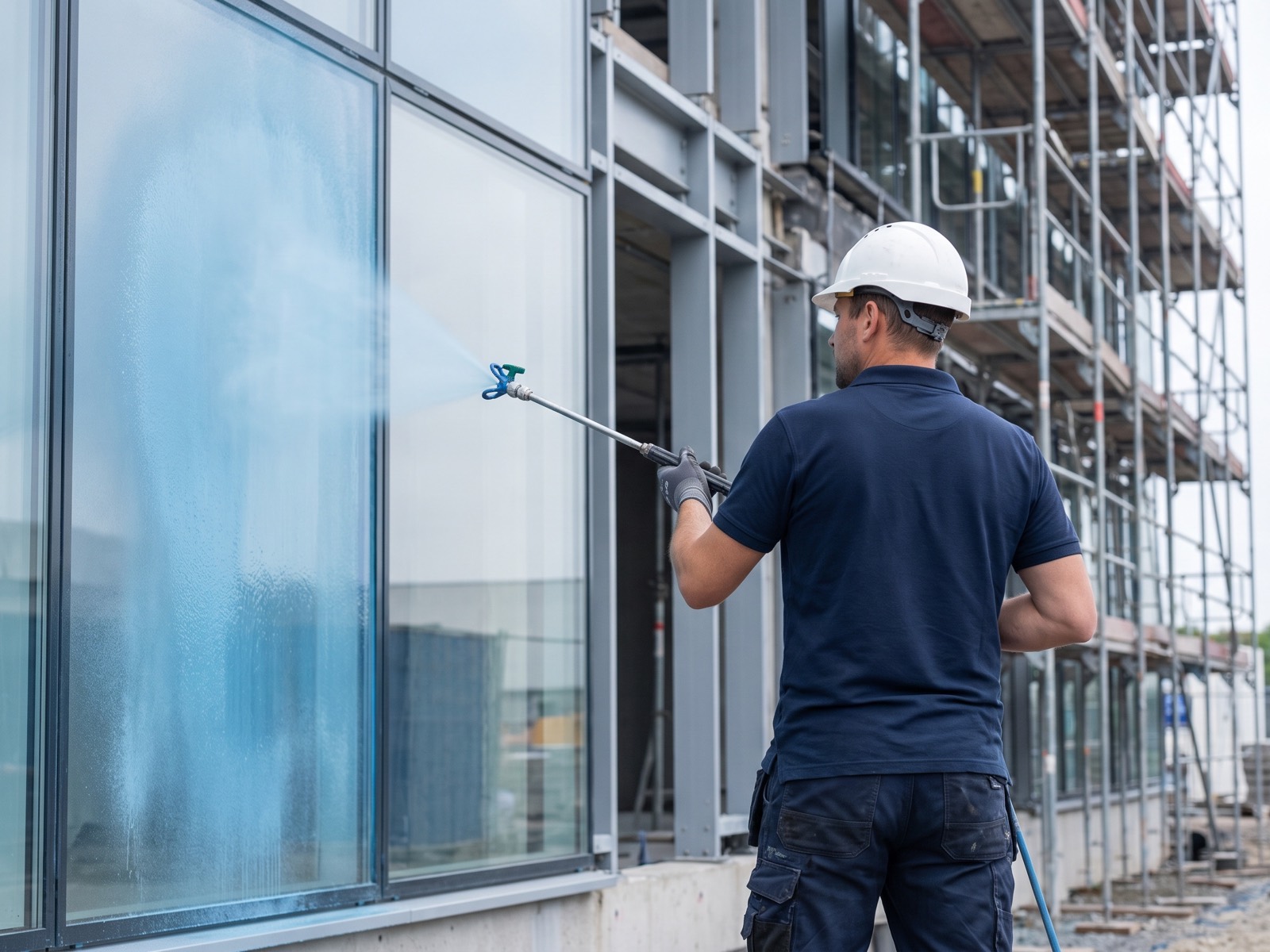
Application. MOSFLEX™ is applied wet, by roller, brush or airless spray, directly onto the finished surface. On glazing and curtain wall the roller shots show the practical case: one operator, no masking, no cutting to size, and no fighting a film into a corner. The airless frames are the same coating on large uninterrupted elevations where speed is the constraint.
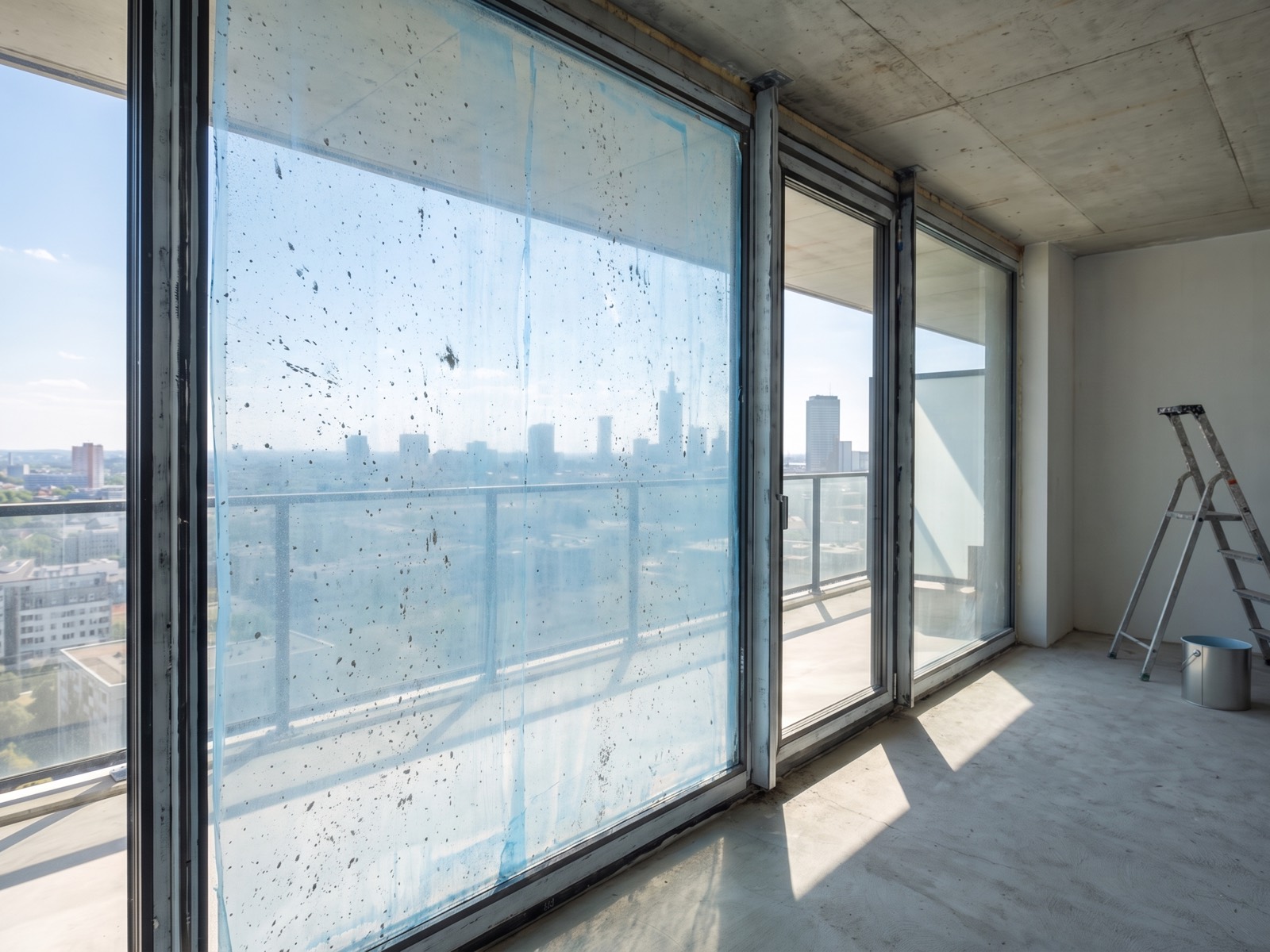
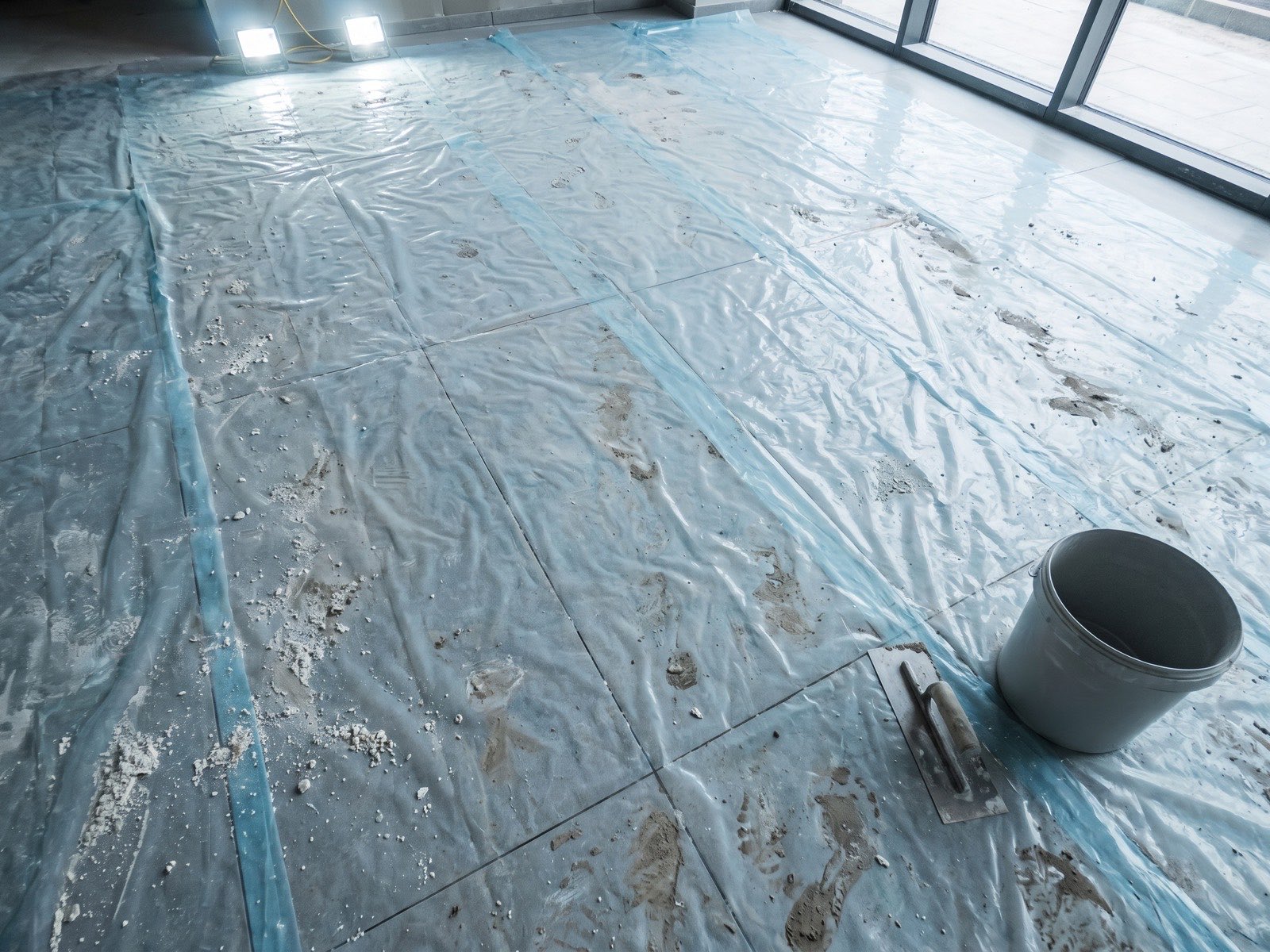
Protection. Once dry the coating is a continuous flexible film with no seams and no edges for site dust to creep under. The photographs of soiled panels are the useful ones — cement splash, plaster, overspray and grinding dust sitting on the film rather than on the glass, marble or powder-coated aluminium underneath.
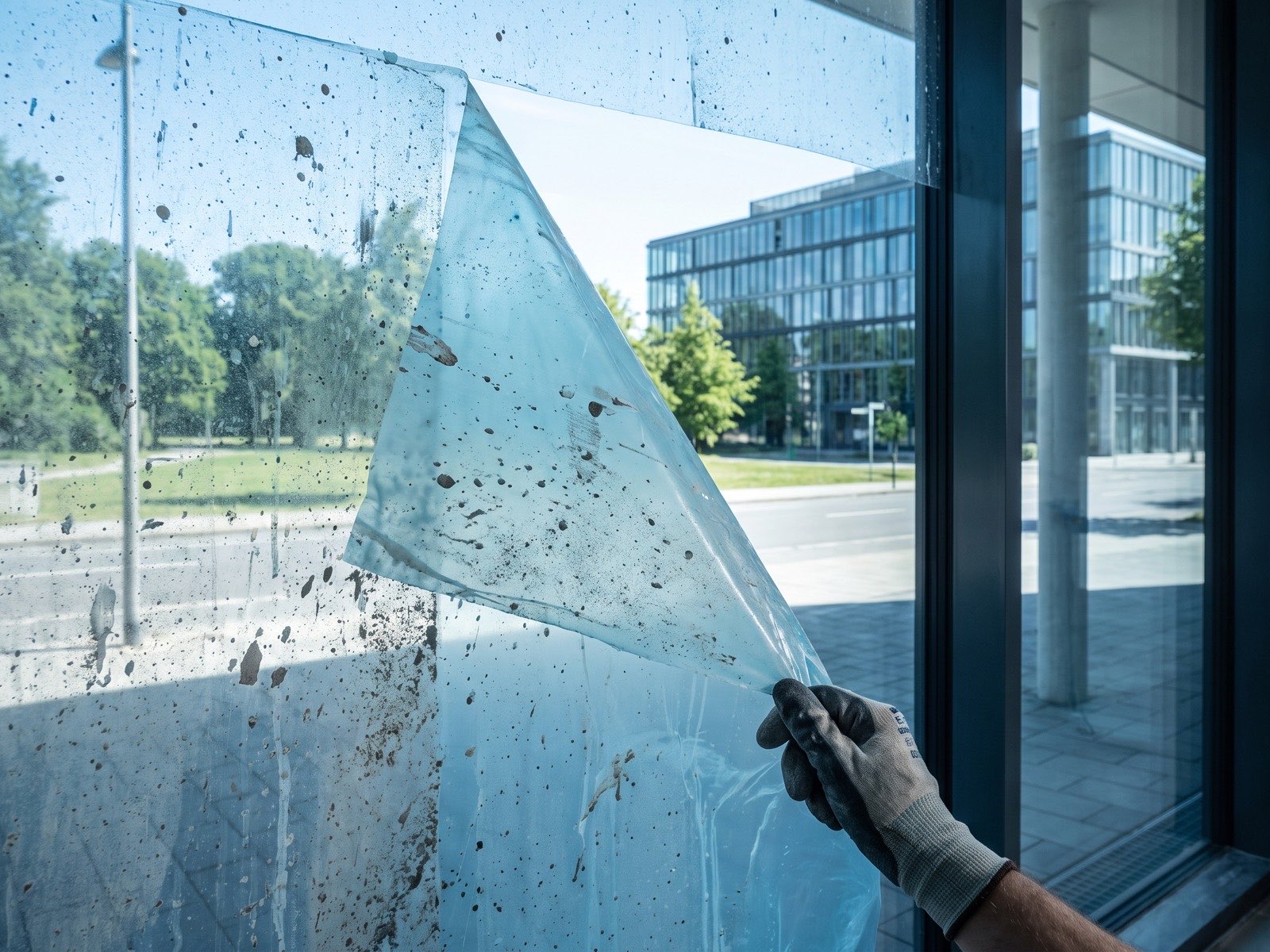
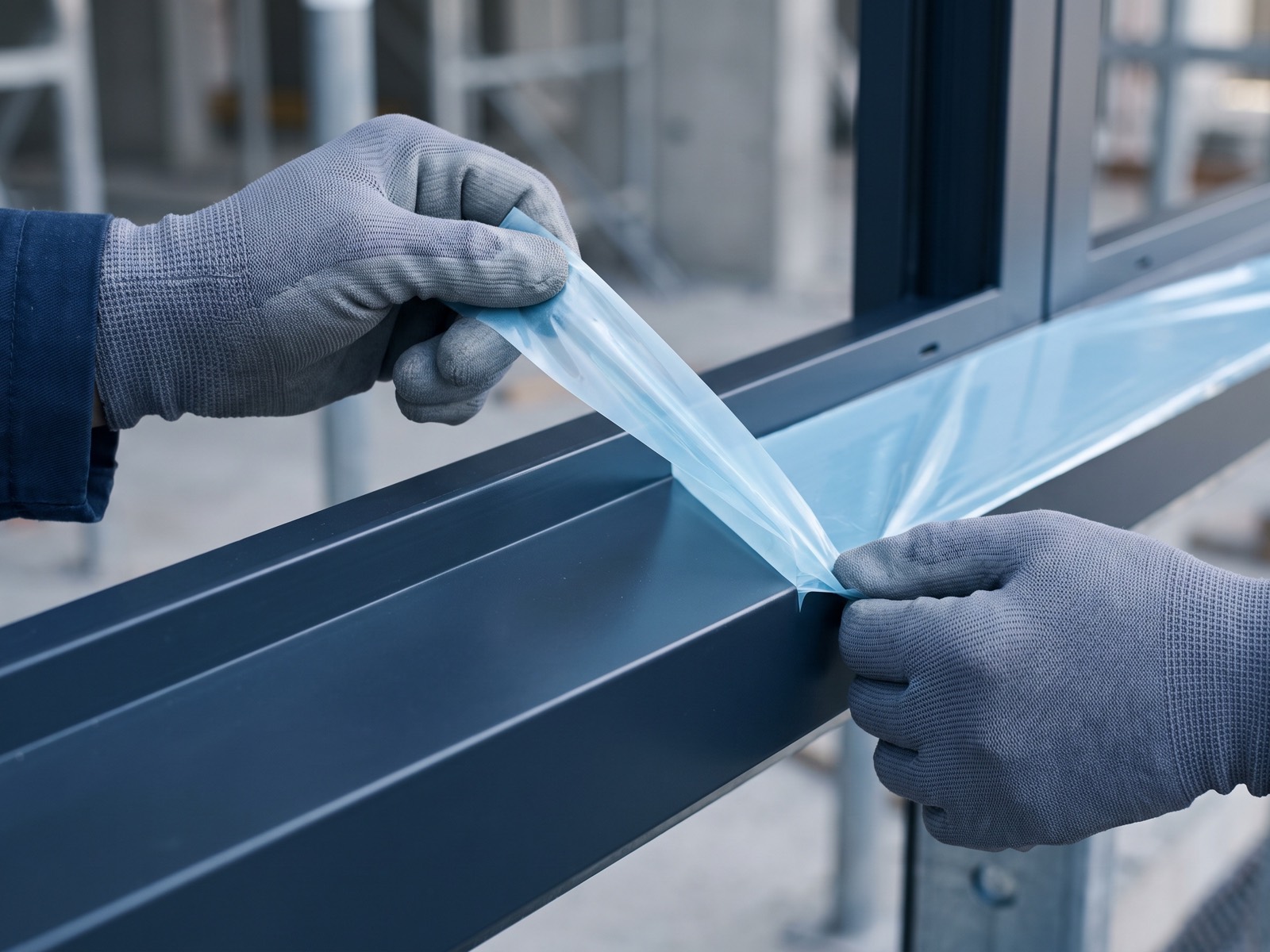
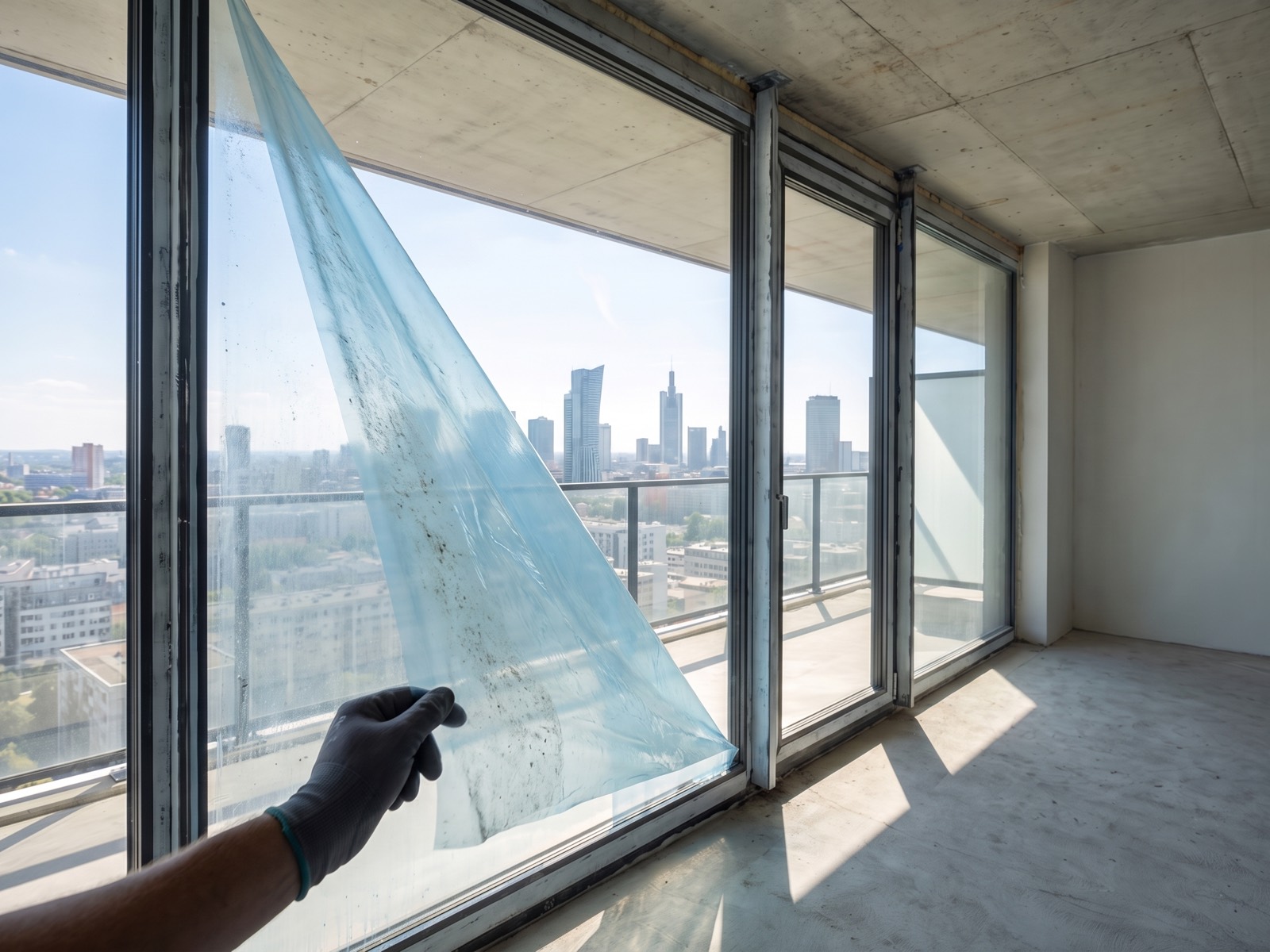
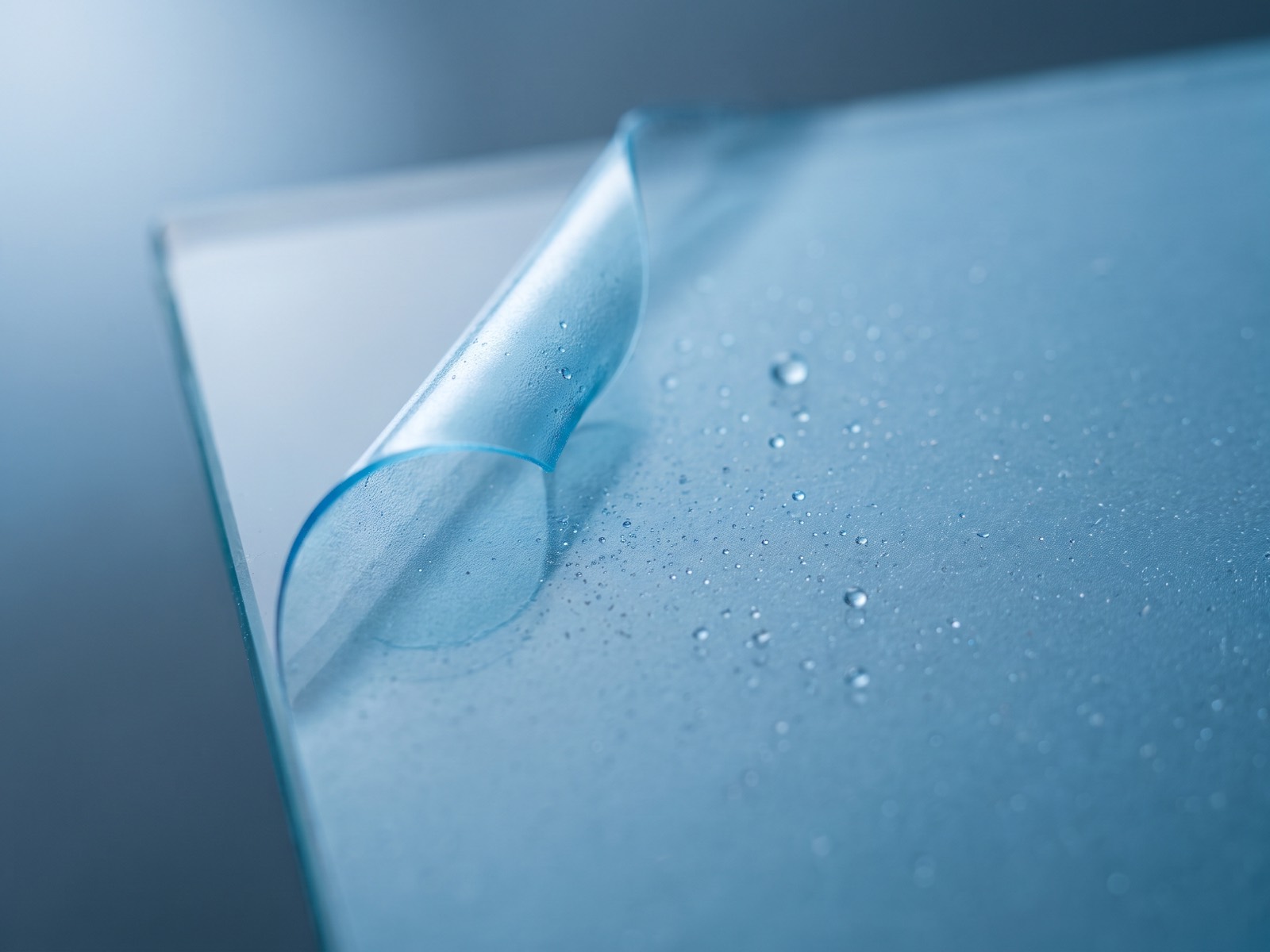
Removal. The peel frames are shot in one continuous pull. A clean lift at a corner and the whole sheet comes away carrying the dirt with it, which is the entire argument for a liquid-applied film over tape and sheeting: no adhesive residue to scrape, no solvent clean-down, no strips left behind in the reveals.
Photographs are from production and site use. For the coating itself — how it is applied, what it protects against and how long it can stay on — see the MOSFLEX™ product page, or request a sample and run the same three steps on your own surface.




Want to See It On Your Surface?
Request a sample and run your own trial.