
Material Groups
Where MOSFLEX™ Is Used
Each group has its own risks — grout haze on stone, welding spatter on steel, handling marks on glass. Open a group to see how protection is applied in that context.
Which surfaces can MOSFLEX™ protect?
MOSFLEX™ is developed for 21 surface types across five material groups: glass (float, tempered, laminated, insulated glass units); metal (aluminium profiles, powder-coated aluminium, stainless steel, painted metal surfaces); facade and joinery (curtain wall systems, window and door frames, composite panels, PVC profiles); stone and ceramic (marble, granite, ceramic tiles, porcelain tiles); and interior and industrial (furniture surfaces, decorative panels, interior architectural surfaces, aircraft components, composite components).
Finishes vary between suppliers, so a trial area on the actual surface should always confirm adhesion and clean removal before full application.
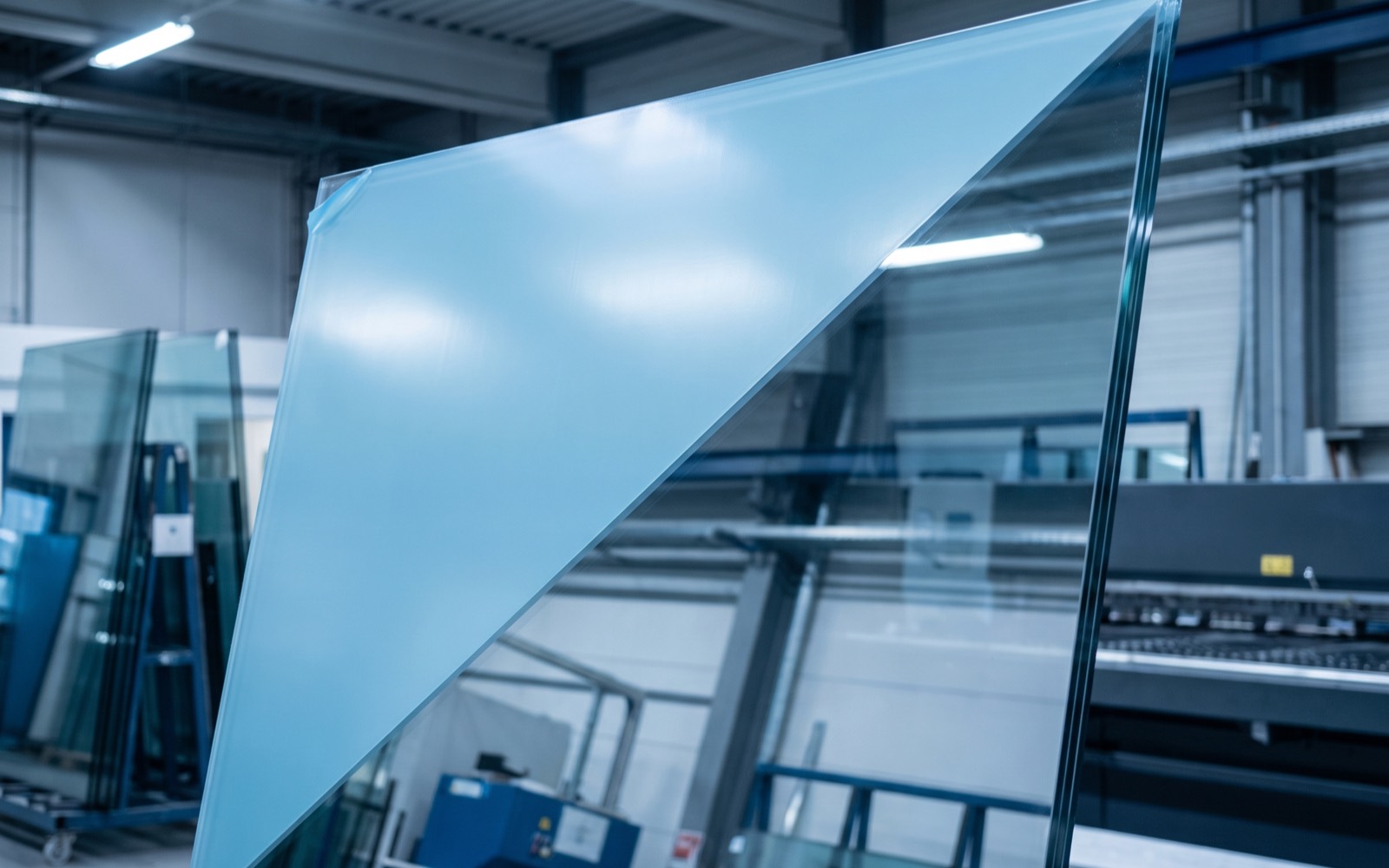
Glass
Float, tempered and laminated glass plus insulated glass units — protected through fabrication, transport and glazing.
4 surface types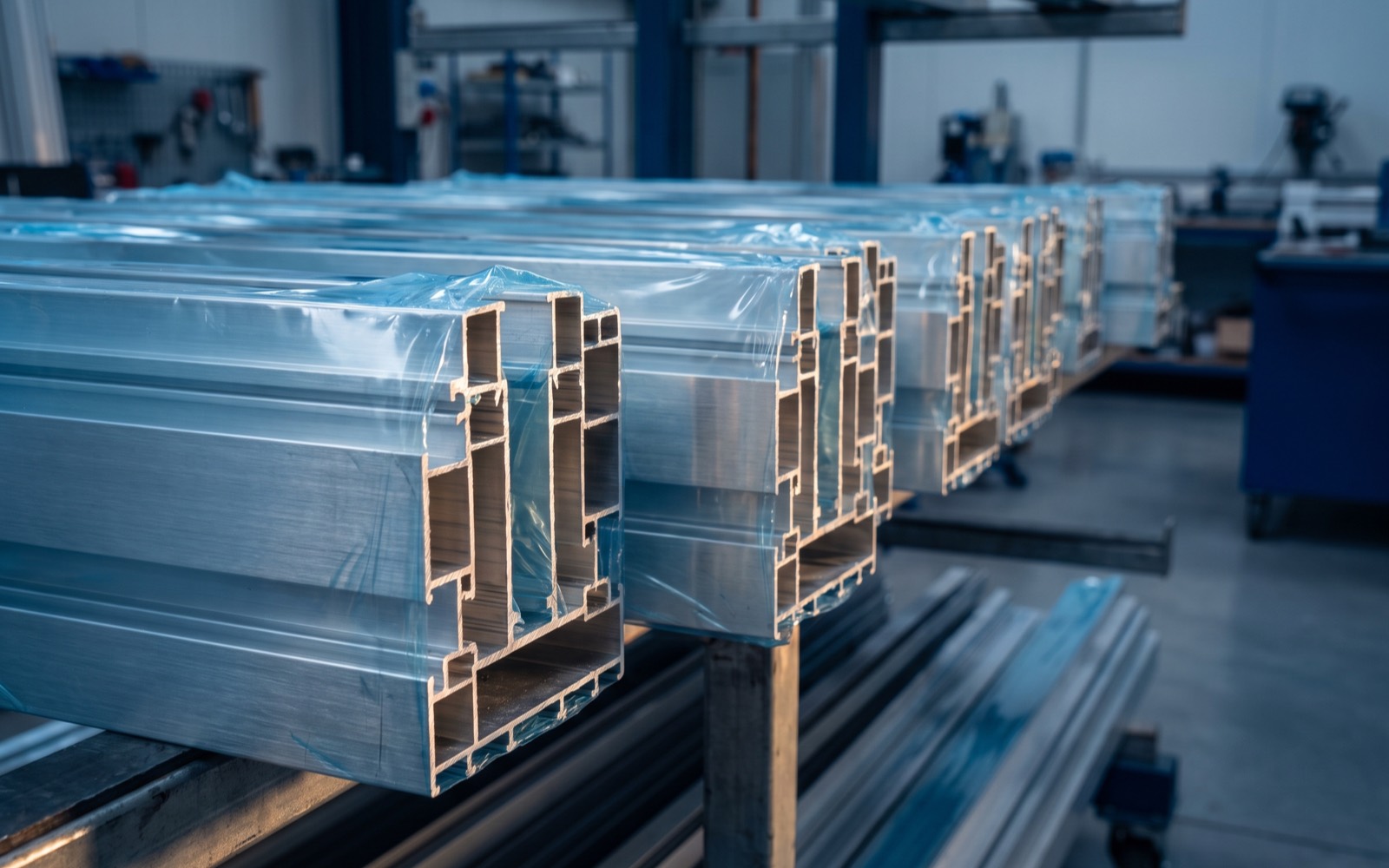
Metal
Aluminium and powder-coated profiles, stainless steel and painted metal kept free of spatter, dust and abrasion.
4 surface types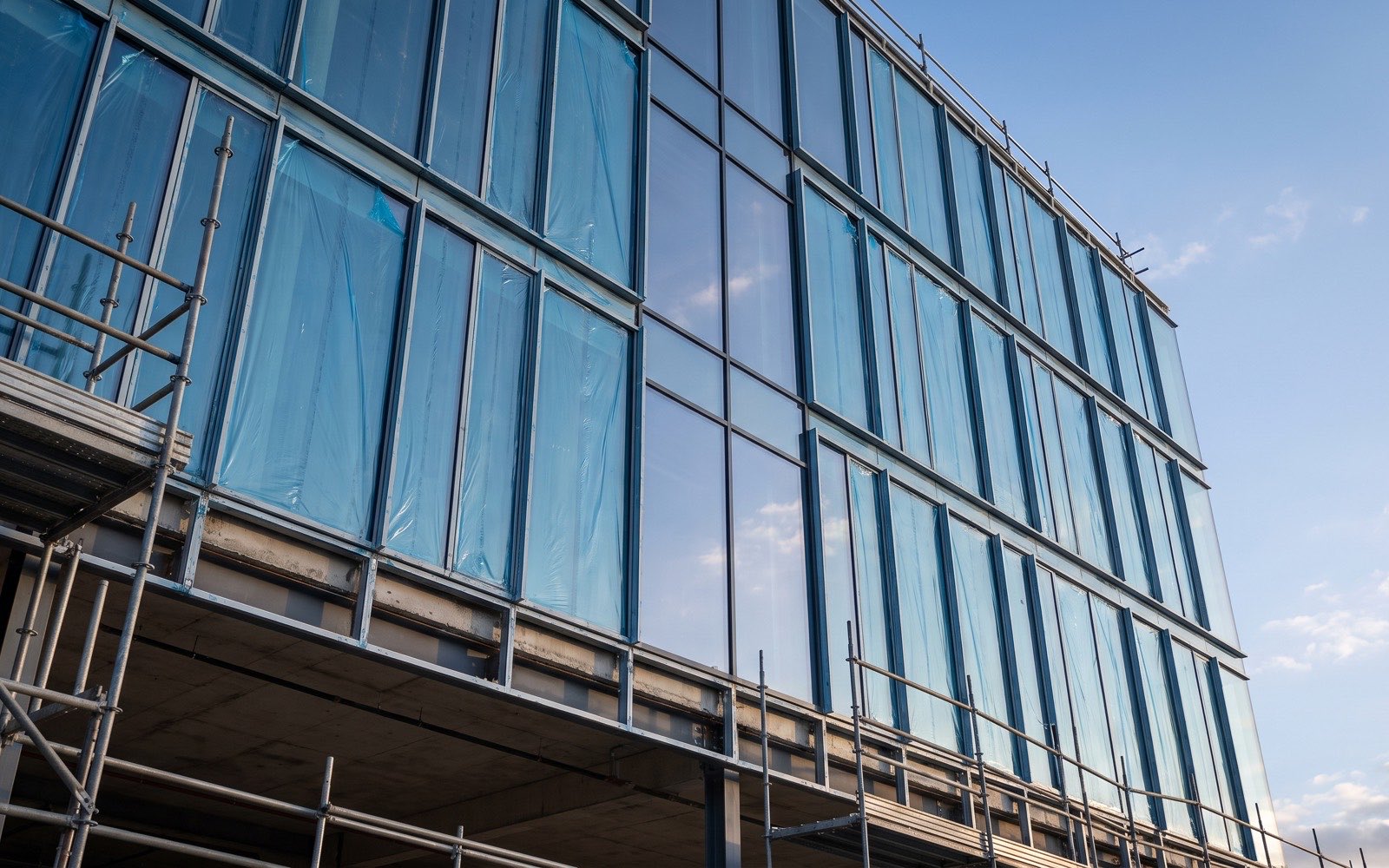
Facade & Joinery
Curtain wall systems, window and door frames, composite panels and PVC profiles on live construction sites.
4 surface types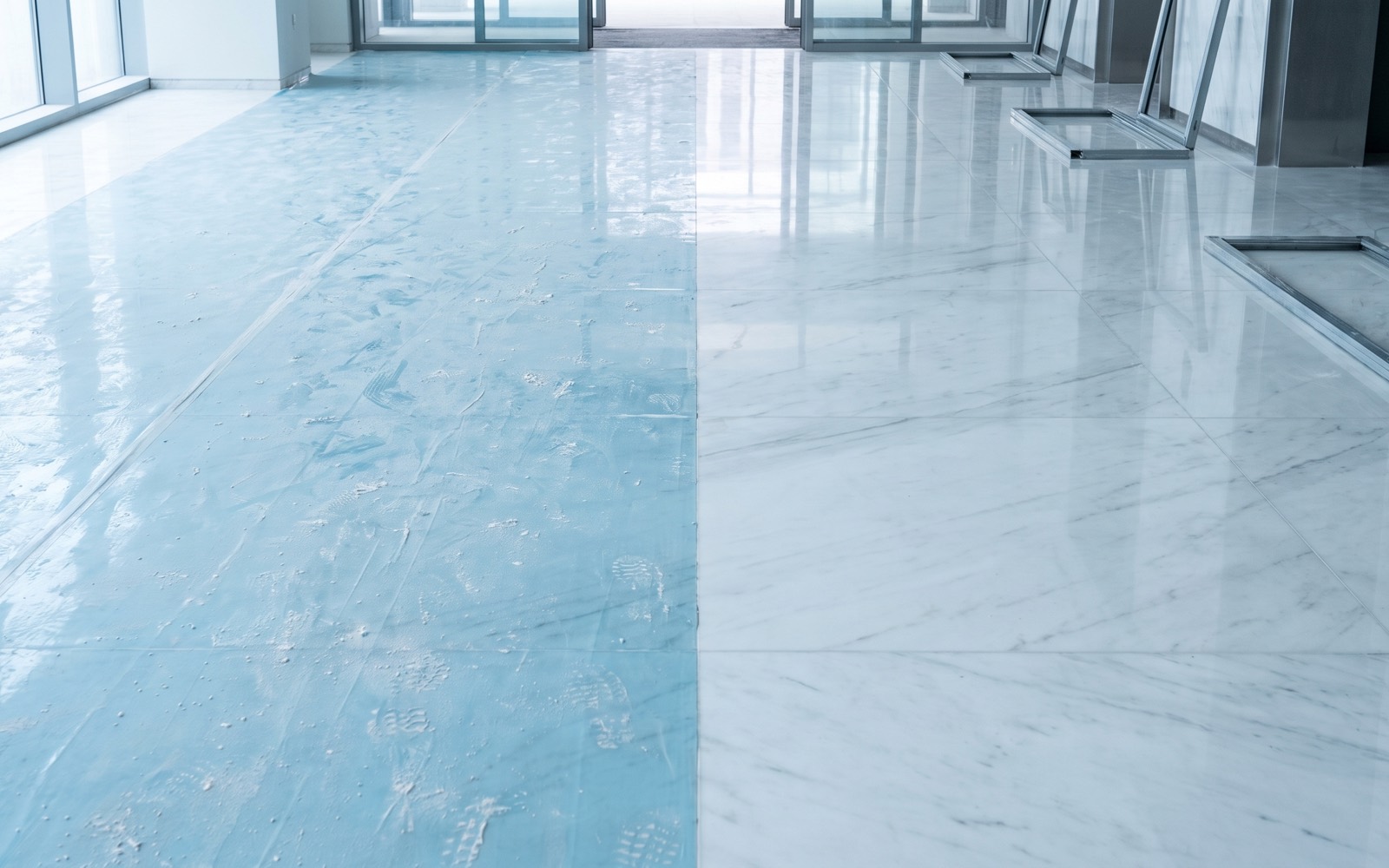
Stone & Ceramic
Marble, granite, ceramic and porcelain shielded from mortar, cement and grout during fit-out.
4 surface types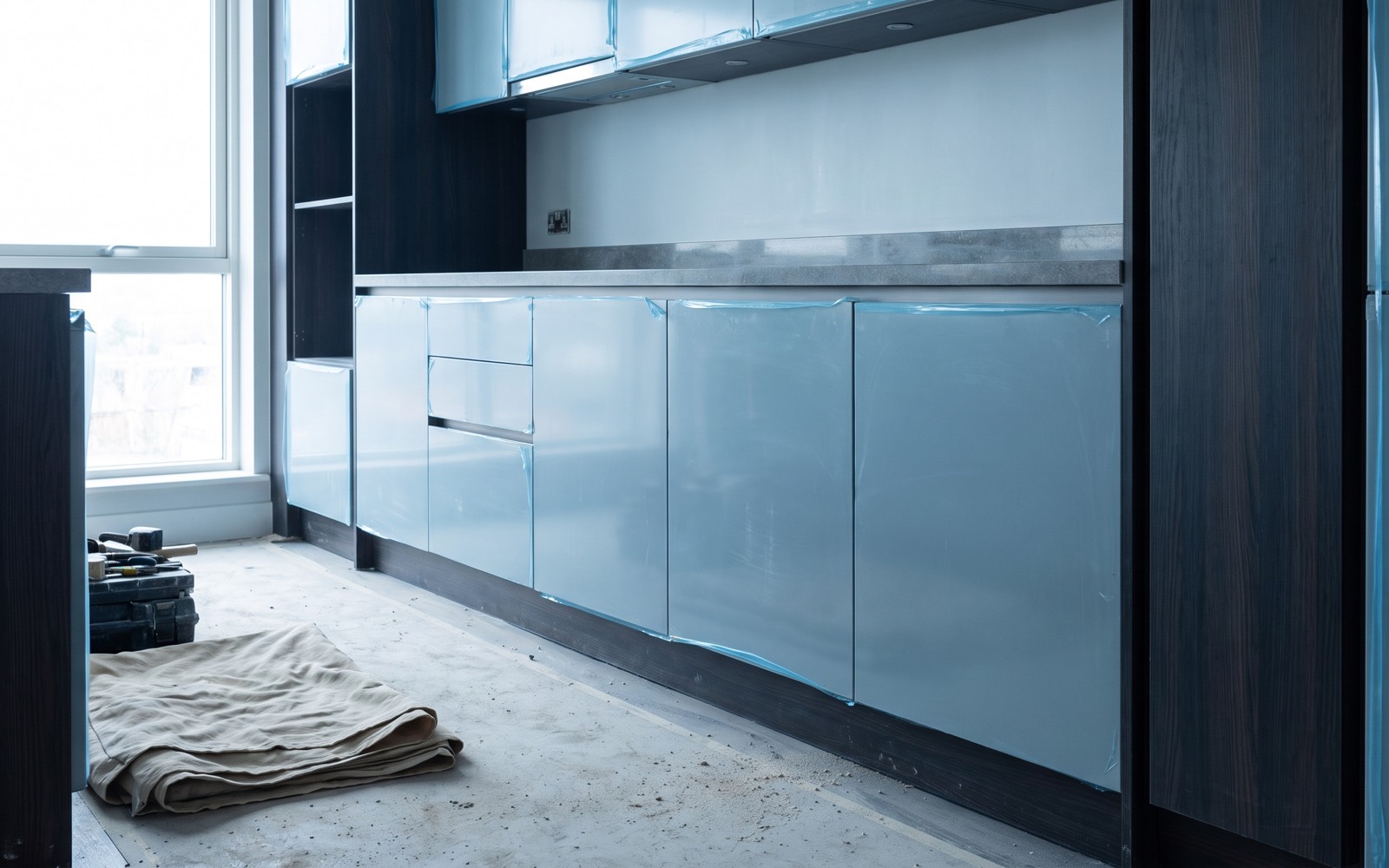
Interior & Industrial
Furniture surfaces, decorative panels, interior architecture, aircraft and composite components.
5 surface typesSurface Not Listed?
If you are protecting something that is not on this list, send us the details. Our technical team will advise whether MOSFLEX™ is suitable and what to trial.
Ask our technical teamFull List
All 21 Surface Types
Filter by material group, or select any surface to open its group page.

Timing
Where It Fits In Your Chain
MOSFLEX™ is a temporary system. It goes on once the surface is finished and comes off at handover.
Manufacturing
Protect the finished surface as soon as it leaves the line — before stacking, packing and internal handling introduce the first marks.
Transportation
Keep the film in place through loading, transit and unloading, when panels and profiles are most exposed to dust and contact.
Installation
Leave the surface protected through the trades that follow — plastering, painting, grouting, welding — then peel before handover.
Protecting Something Specific?
Tell us the surface and the trades that follow it — we will advise on the approach.